Invest in Tunisia
A European market on North African cost structures
Full foreign ownership in most sectors, a 20% headline corporate tax rate, duty-free industrial access to the European Union and a workforce operating in three languages. This page sets out the case, and the conditions attached to it.
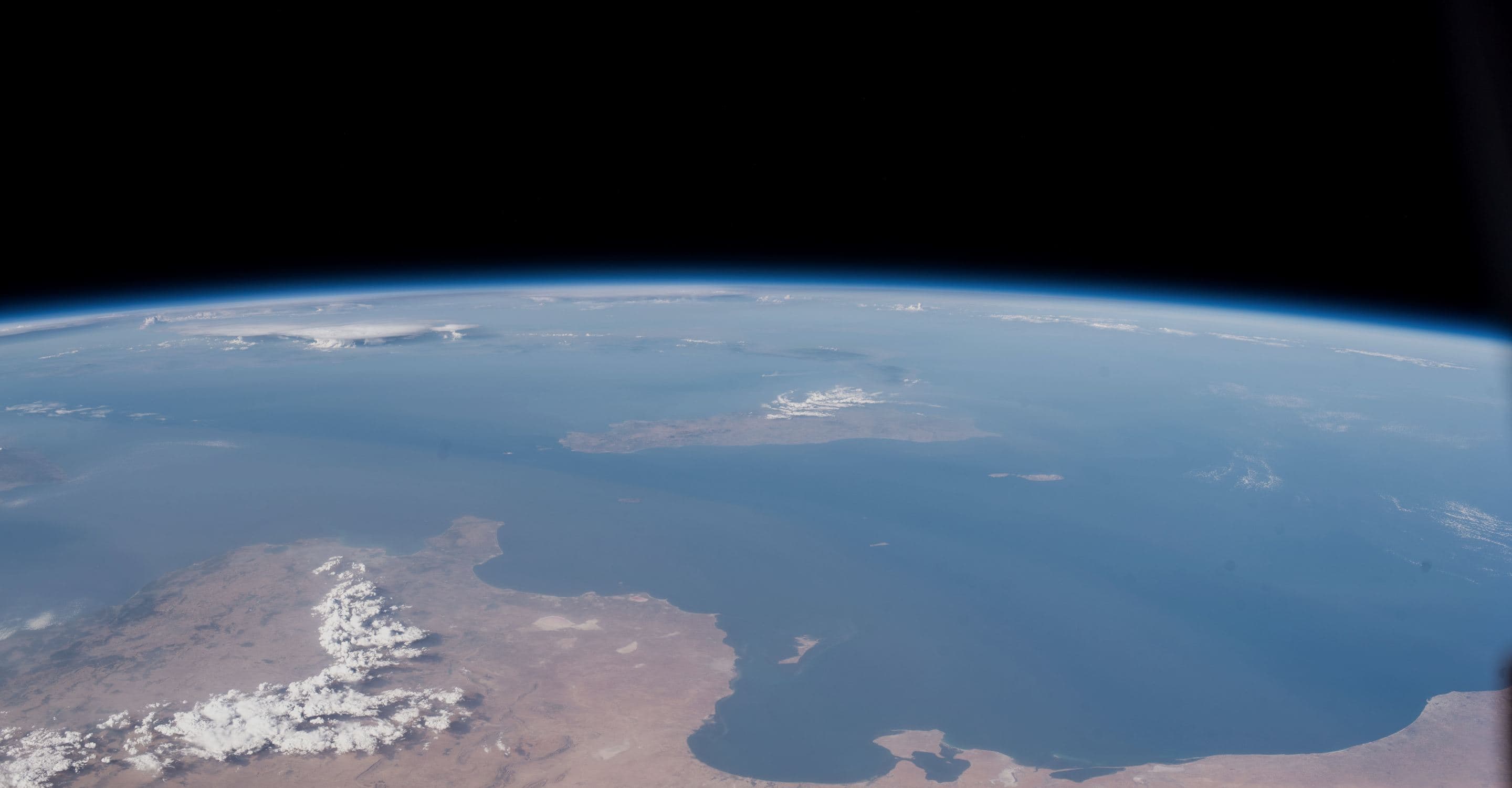
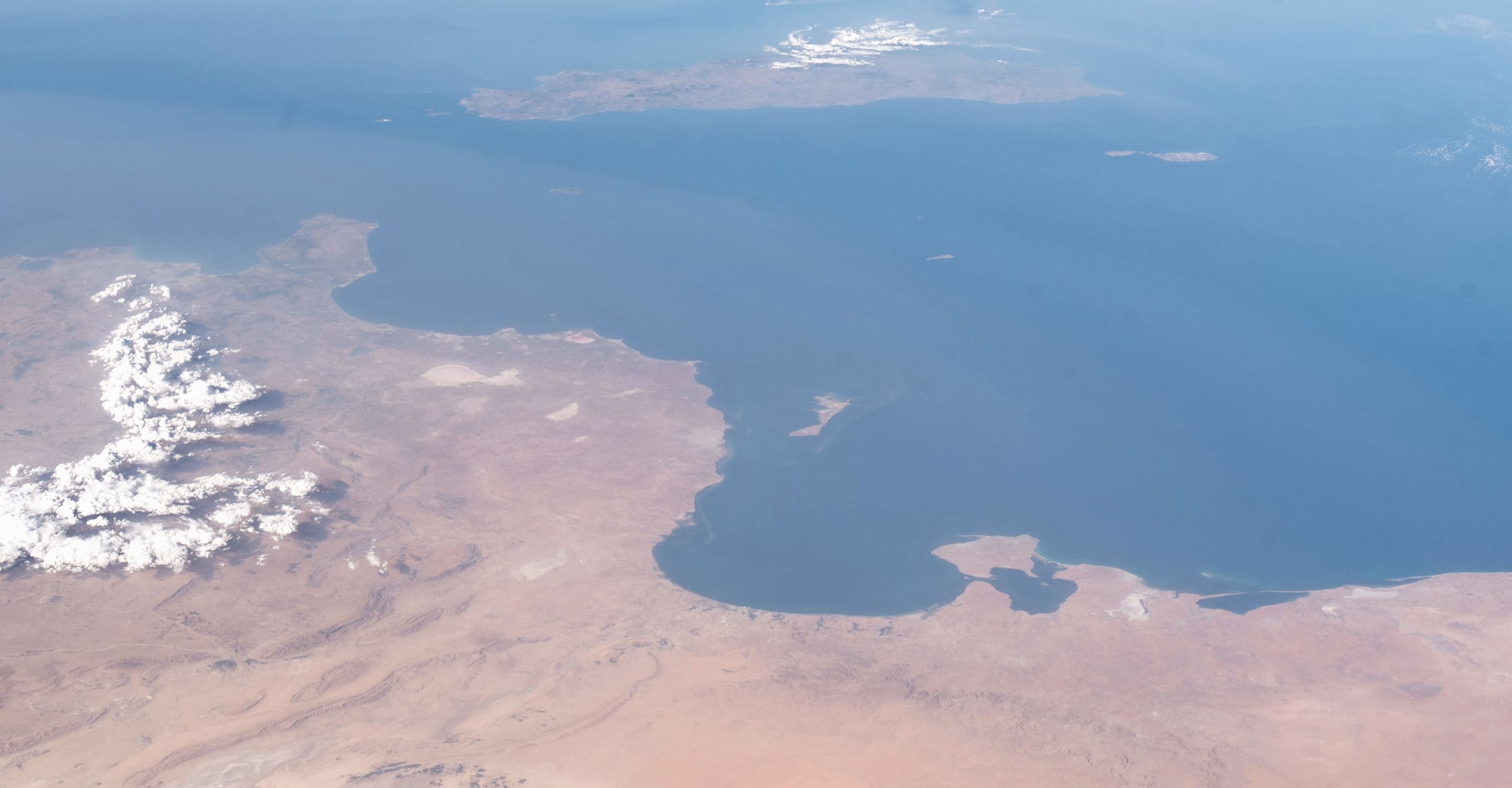
Tunisia sits on the southern Mediterranean within the same working day as Paris, Milan and Frankfurt. Around 70% of its exports are sold into the European Union, supported by an Association Agreement that has provided duty-free trade in industrial goods since 2008.
Approximately 3,860 foreign companies operate in the country. Foreign direct investment reached 3.57 billion dinars in 2025, an increase of 30% on the previous year, concentrated in automotive components, aerospace, digital services, agri-food, textiles and pharmaceuticals.
100%
Foreign ownership permitted in most sectors without prior authorisation
0%
Corporate tax for five or ten years in regional development zones, then 10%
7
Trade frameworks reaching the EU, Africa, Turkey and the Arab region
70%
Share of Tunisian exports sold into European Union markets
Position
Tunis is closer to Rome than Rome is to Berlin. The commercial centres of southern and western Europe sit within a short flight, in the same time zone and the same working day.
Trade agreements
Seven frameworks, covering the European single market, the wider Arab region and the African continent.
- EU Association Agreement
- Duty-free trade in industrial goods with the European Union, in force since 2008
- EFTA
- Switzerland, Norway, Iceland and Liechtenstein
- Agadir Agreement
- Egypt, Jordan and Morocco
- GAFTA
- Greater Arab Free Trade Area
- Turkey
- Bilateral free trade agreement
- COMESA
- Eastern and southern African markets, ratified 2019
- AfCFTA
- African Continental Free Trade Area, ratified 2020
The case
Market access
Tunisia is party to seven trade frameworks that between them reach the European Union, the EFTA states, Turkey, the Arab region and most of Africa. For manufacturers, this makes the country a production base that serves European customers on European tariff terms.
- Duty-free industrial trade with the EU since 2008
- Central European time zone, full overlap with the European working day
- Mediterranean port and airport links to southern Europe
- Free zones at Bizerte and Zarzis with duty and tax exemption
Ownership and control
Under Investment Law 2016-71, in force since 2017, foreign investors may hold up to 100% of the capital of a Tunisian company across most sectors without prior authorisation. A limited set of activities remains restricted, principally local retail trade, where foreign participation is capped and Central Bank authorisation applies.
- Up to 100% foreign ownership in most sectors
- No prior authorisation required for the majority of activities
- The Tunisian Investment Authority reviews projects above defined thresholds
- Profits and proceeds from the sale of invested capital may be repatriated
Cost and capability
The professional workforce operates in Arabic, French and English, with an engineering and technical graduate base that supplies the automotive, aerospace and digital sectors. Employer contributions total roughly 21% to 24% of payroll once social security, work accident, housing and training levies are combined, materially below western European levels.
- Arabic, French and English in routine professional use
- More than 260 automotive component manufacturers, 65% fully exporting
- Employer contributions of roughly 21% to 24% of payroll, all levies combined
- An established base of foreign-owned industrial and service operations
Fiscal incentives
Investment in a designated regional development zone is exempt from corporate tax for five or ten years, then taxed at 10%. Wholly exporting companies are exempt from VAT and customs duties, and new companies receive graduated relief over their first four years. The standard rate outside those regimes is 20%.
- Five or ten years exempt in regional development zones
- Graduated relief over the first four years for new companies
- VAT and customs exemption for wholly exporting companies
- Investment premiums of up to 30% in priority development zones
Tax and incentive regime
The headline rate applies across most sectors. Relief depends on activity, export share and location.
Rates
- Standard corporate income tax
- 20%
- Newly created companies
- Graduated relief over four years: 100%, then 75%, 50% and 25% of profits deducted
- Value added tax
- 19% standard, with reduced rates of 13% and 7%
- Dividends paid abroad
- 10% withholding, reduced under most double tax treaties
Exporters
- Wholly exporting companies
- Exempt from VAT and customs duties on imports and local purchases
- Domestic sales allowance
- Up to 30% of the previous year's turnover may be sold locally without losing export status
- Foreign employees
- Taxed at 20% of gross remuneration
- Free zones
- Bizerte and Zarzis, with exemption from duties and taxes and unrestricted foreign exchange
Regional development and priority sectors
- First group zones
- Five years exempt, then 10%, with an investment premium up to 15%
- Second group zones
- Ten years exempt, then 10%, with an investment premium up to 30%
- Priority sectors
- Investment premium up to 15% and employer social contribution relief
- Research and development
- Additional 50% deduction on qualifying spend, capped at TND 400,000 a year
Sectors open to international capital
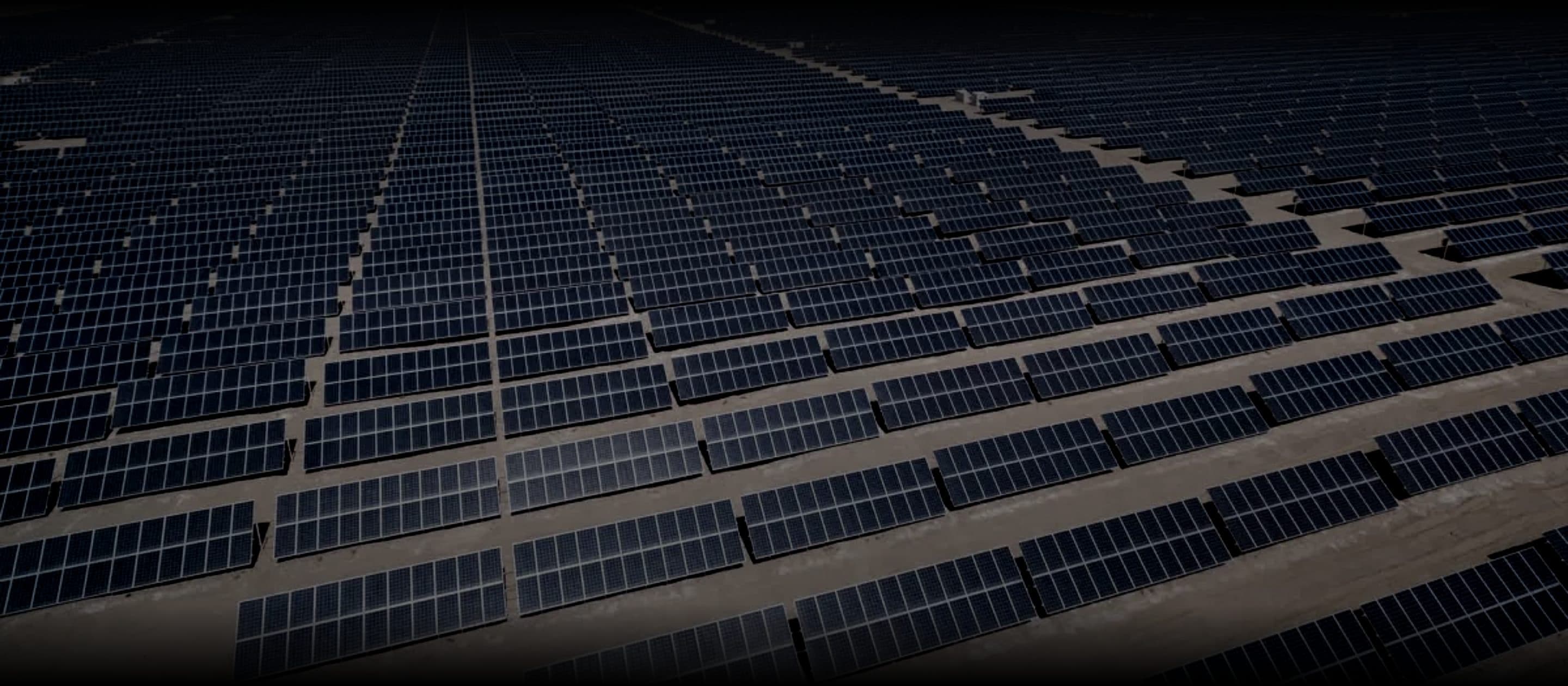
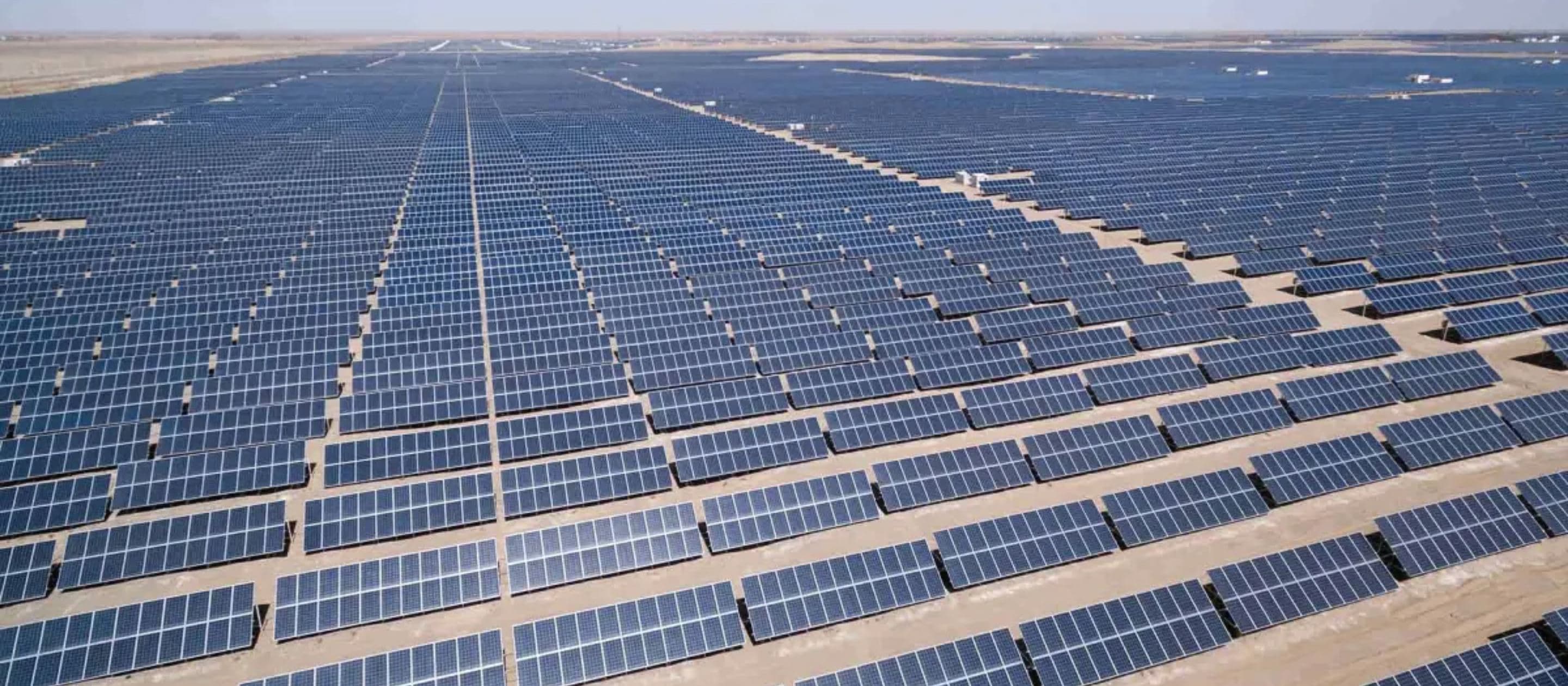
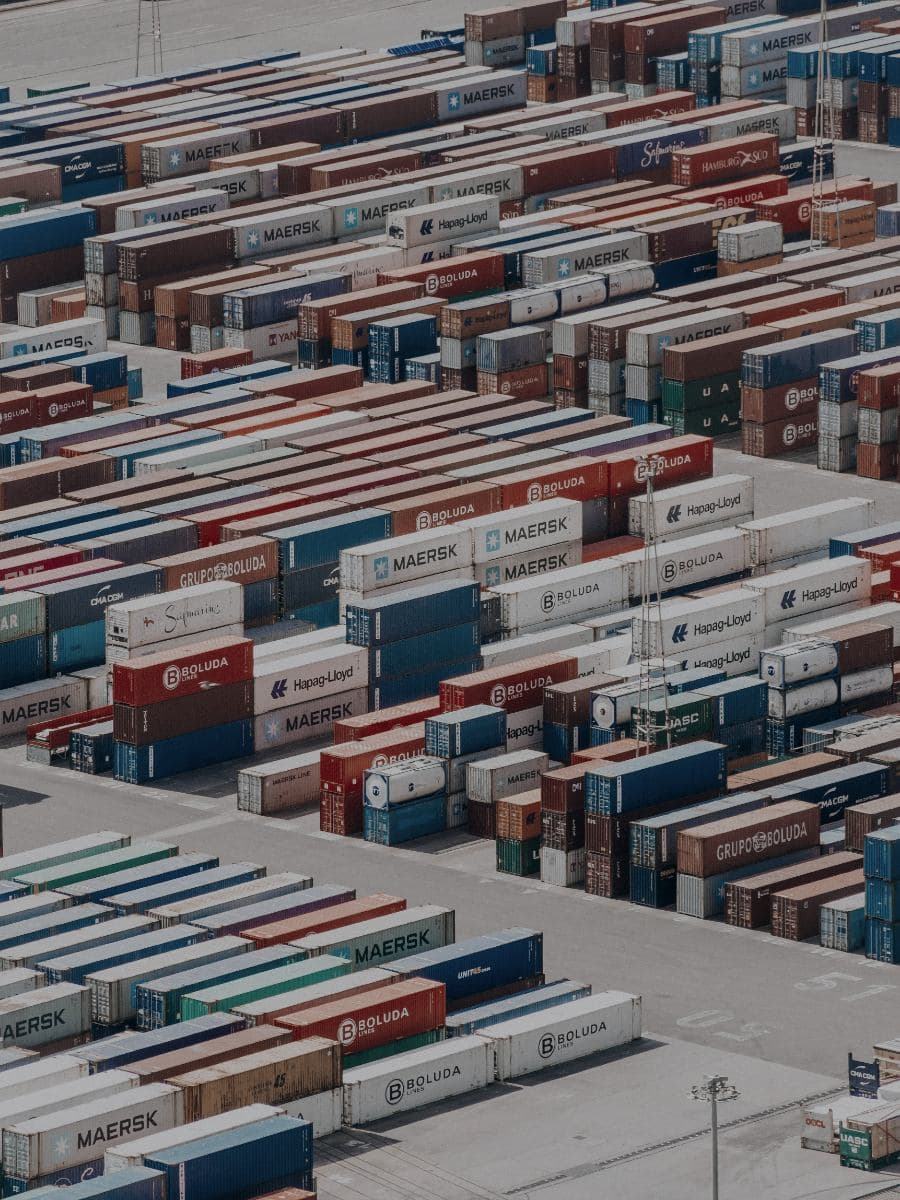
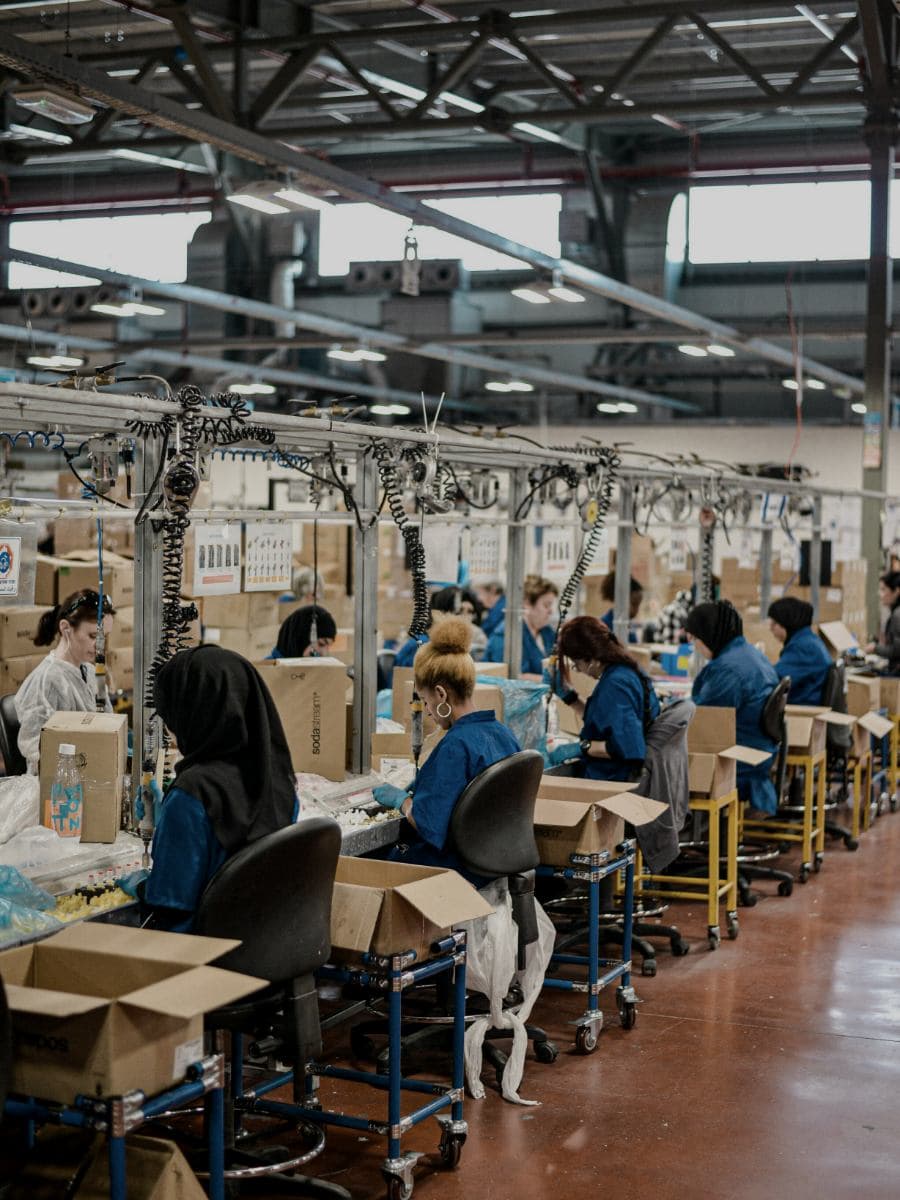
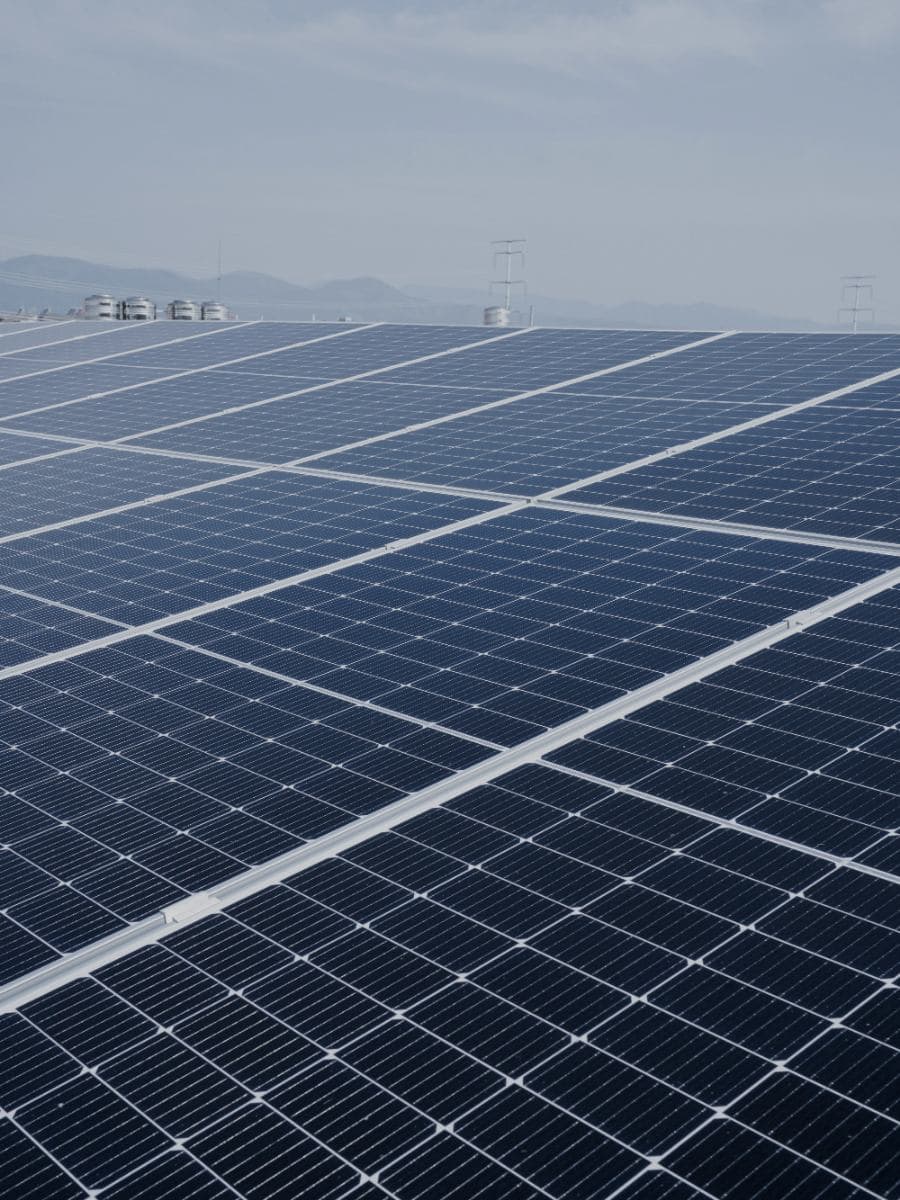
Foreign investment is concentrated in automotive components, aerospace, digital services, agri-food, textiles and pharmaceuticals, with renewable energy and logistics expanding quickly.
Target sectors

Real estate and development

Technology and IT services
Distribution and logistics
Manufacturing and industry

Business process outsourcing
Renewable energy

Tourism and hospitality
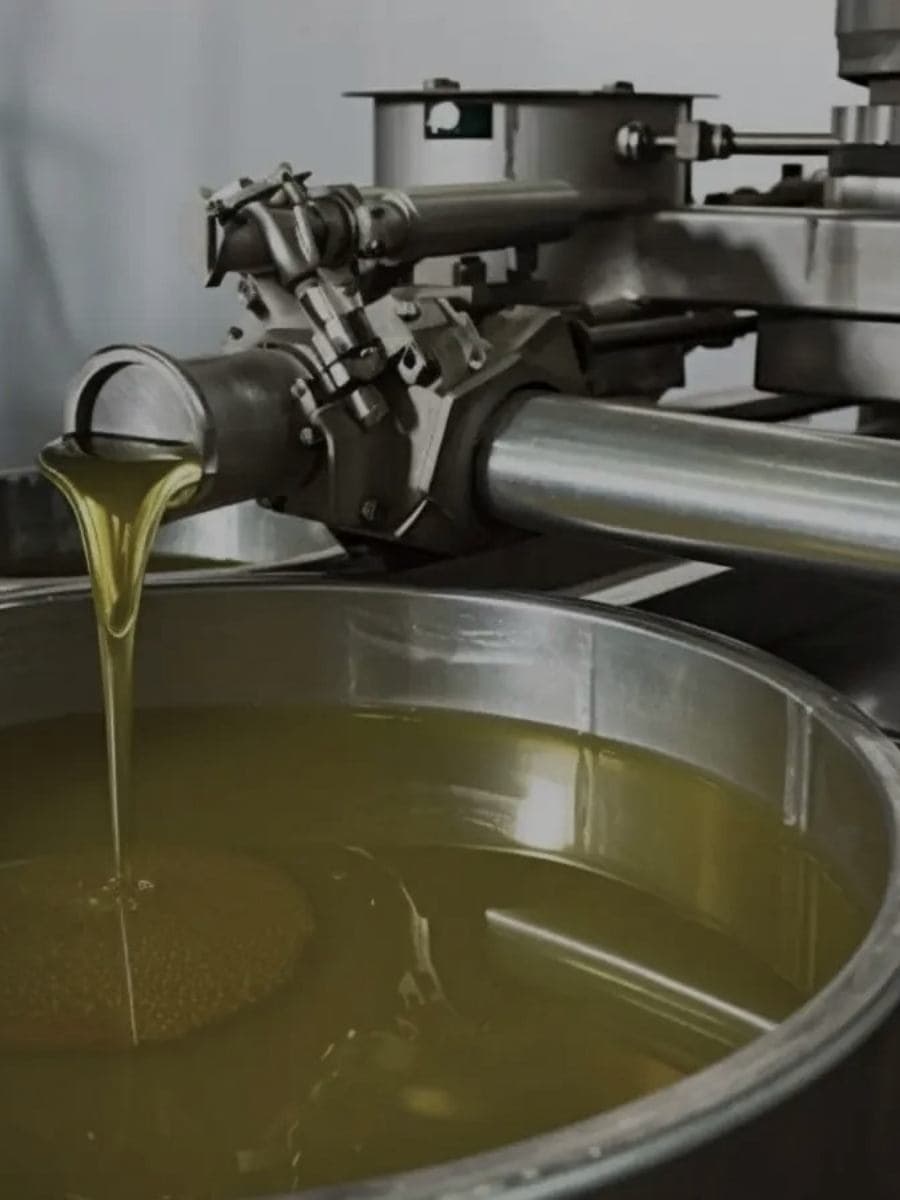
Agribusiness and food processing

Financial services
What to expect in practice
Tunisia's legal framework is open to foreign capital, but the administrative process is document-intensive. Foreign exchange operations require Central Bank clearance, customs procedures demand complete documentation, and profit repatriation can be delayed where a file is incomplete.
The obstacles investors meet are procedural rather than legal, and they are largely avoidable. Most delays we see originate in a structure chosen without reference to the intended activity, or a file submitted before it was ready. Both are addressable with local coordination from the outset.
How we support investors
- 05
Legal business setup in Tunisia
We coordinate company formation in Tunisia end to end, from choice of structure to a fully operational entity.
- 04
Real estate investment advisory
We source, verify and negotiate Tunisian property on behalf of international investors.
- 02
Deal facilitation
We source commercial opportunities, introduce the counterparty and support the negotiation through to signature.
Common questions
In most sectors, yes. Investment Law 2016-71 permits foreign investors to hold the entire share capital of a Tunisian company without prior authorisation. The exceptions are set out in a defined list of restricted activities, and we confirm the position for your specific activity before a structure is chosen.
Figures on this page were reviewed in August 2026 and draw on Investment Law 2016-71, the Tunisian Investment Authority, FIPA, published investment climate reporting, and PwC Worldwide Tax Summaries for corporate tax rates. Tunisian rates and incentive thresholds are amended by annual finance legislation: the standard corporate rate was raised from 15% to 20% by the 2025 Finance Law. We confirm current requirements at the start of every engagement.
Start the conversation
Tell us about your business or investment objectives. We will review your enquiry and respond with a proposed next step.
- Location
- Tunis, Tunisia